Plug In or Power Up? Why the Off-Grid vs. Grid-Tied Debate Is Splitting Tiny Home Culture Right Down the Middle
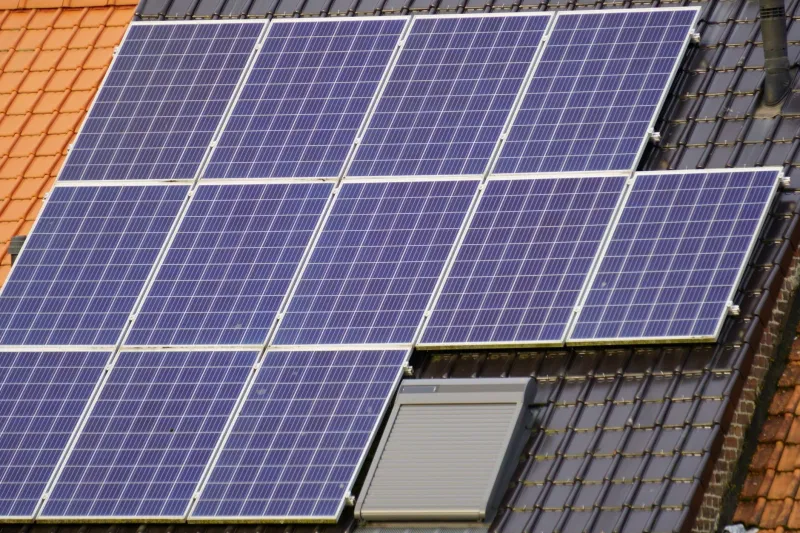
Spend five minutes in any tiny home forum and you'll find it: the energy argument. Someone posts a photo of their gleaming solar array and battery bank. Someone else fires back that grid-tied net metering is actually more efficient and environmentally responsible. A third person chimes in that propane is underrated. Somebody gets called a sellout. Somebody else gets called a prepper.
The off-grid versus grid-connected debate has become one of the defining fault lines inside the tiny home community — and honestly, it's more interesting than it might sound. Because underneath the technical specs, this is really a conversation about what people are trying to escape, what they're trying to protect, and what kind of future they're building toward.
Two Very Different Visions of Freedom
For Marcus and Delia, a couple who downsized from a four-bedroom suburban house in Colorado to a 320-square-foot build on five rural acres, going off-grid wasn't a compromise — it was the entire point.
"We didn't leave the mortgage system and the commute and the HOA just to stay dependent on the utility company," Marcus says. Their setup includes a 4kW solar array, a 10kWh lithium battery bank, a propane backup, and a rainwater collection system. Total energy infrastructure cost: around $22,000. "We haven't paid a power bill in three years. We don't need permission to exist on this land."
That language — permission to exist — shows up a lot in off-grid conversations. There's a strong current of self-determination running through this camp, a desire for genuine independence that goes beyond environmental motivation into something almost philosophical.
On the other side of the debate, you have people like Priya, a remote software developer who built a 480-square-foot ADU in Austin, Texas, and deliberately chose grid-tied solar with net metering.
"I looked at the numbers," she says flatly. "Full off-grid in Texas, with the temperature swings we get, would have required a system twice the size to be reliable. I'd have spent $30,000 to $40,000 and still been anxious every time a cloudy week hit. Grid-tied cost me $14,000 after the federal tax credit, my bills are near zero, and I send power back to the grid in summer."
Priya's not wrong. And neither is Marcus. That's what makes this debate so genuinely complicated.
The Environmental Math Gets Messy
One of the biggest assumptions inside the tiny home world is that off-grid automatically equals greener. It's an intuitive leap — no utility company, no fossil fuel grid, pure solar purity. But the environmental accounting is more nuanced than that.
Lithium battery banks, the backbone of most serious off-grid setups, carry a significant environmental cost in their production. Mining lithium and cobalt involves ecological disruption and, frequently, labor concerns in global supply chains. A large battery system manufactured today carries a carbon debt that takes years of clean-energy operation to offset.
Meanwhile, someone connected to a grid in a state like California, Washington, or New York — where renewable energy percentages are climbing — may actually be drawing cleaner power than their off-grid neighbor burning propane on cloudy winter days.
This doesn't make off-grid wrong. It makes the decision context-dependent in ways that require honest self-assessment rather than ideological shortcuts. Where do you live? What's your grid's energy mix? How big does your battery bank need to be to cover your actual usage? These questions matter more than the label you put on your energy philosophy.
What Going Off-Grid Actually Costs — and Demands
Let's be direct: a genuinely reliable off-grid tiny home energy system is not cheap. A system capable of handling year-round needs for one to two people in most US climates typically runs $15,000–$35,000 depending on location, energy demands, and backup fuel choices. Federal solar tax credits (currently 30% through 2032 under the Inflation Reduction Act) help, but the upfront number is real.
Beyond cost, there's the lifestyle adjustment. Off-grid living requires energy awareness that grid life doesn't demand. You track your battery state of charge. You adjust behavior during cloudy stretches. You make peace with the fact that running a hair dryer and an electric kettle simultaneously might not be an option on a January afternoon in Vermont.
For some people, that mindfulness is a feature. It creates a direct, felt relationship with energy consumption that abstract utility bills never do. For others — especially people with demanding work schedules, health needs that require consistent power, or young children — it's a source of ongoing stress that undermines the peace they came to tiny living to find.
The Grid-Tied Case Is Stronger Than It Gets Credit For
Grid-connected tiny home owners often feel like they have to defend themselves in community spaces, as if staying plugged in represents a failure of conviction. That's unfair and, frankly, counterproductive.
A well-insulated, grid-tied tiny home with a modest rooftop solar array and a heat pump can have a carbon footprint that rivals or beats many off-grid setups, especially in states with cleaner grids. The lower upfront cost also means more financial flexibility — money that could go toward higher-quality insulation, better windows, or an electric vehicle that further reduces overall household emissions.
Net metering policies vary by state, but in states where they remain strong, grid-tied solar owners can effectively use the utility grid as a free battery — sending excess power out in summer and drawing it back in winter without needing to store it themselves.
So Which One Is Actually Right for You?
Here's the honest answer: it depends on factors that are specific to your life, not your values. Ask yourself these questions before you commit either way.
Where are you located? Rural land with no grid access makes the decision for you. Urban or suburban lots with easy utility hookups make grid-tied dramatically more practical.
What's your state's grid like? Check your utility's fuel mix disclosure. If your state is pulling 50%+ from renewables, grid-tied looks a lot more defensible environmentally.
What are your power needs? Medical equipment, home office setups, electric vehicles, and climate-sensitive storage all affect how large and expensive an off-grid system needs to be.
What's your risk tolerance? Off-grid requires backup planning for extended low-generation periods. Grid-tied means you're dependent on infrastructure that can fail during storms or grid events.
What are you actually trying to feel? This one matters. If independence and self-sufficiency are core to why you chose tiny living, off-grid delivers something that no amount of net-metering math can replicate. If efficiency and simplicity are your drivers, grid-tied might let you sleep better.
The tiny home movement is big enough to hold both visions. What it doesn't need is either camp insisting their approach is the only honest one. Build smart, whatever that means for your land, your life, and your values — and let the community be richer for the variety.