Selling Tiny: The Resale Realities No One Warns You About Before You Buy
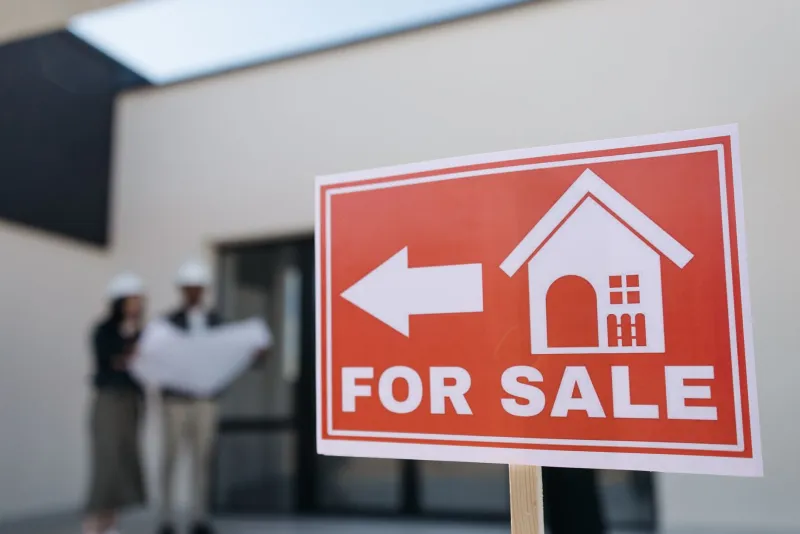
Let's be honest: when most people start their tiny home journey, they're thinking about morning coffee on a custom-built loft deck, not the eventual day they'll need to move on. But exit strategy matters—a lot—and the tiny home resale market has some quirks that can catch even the most prepared homeowner completely off guard.
This isn't a doom-and-gloom piece. Plenty of people sell their tiny homes successfully. But going in with clear eyes means understanding the friction points before you're living them.
Why the Buyer Pool Is Smaller Than You'd Expect
Here's the math problem nobody puts in the brochure: the same lifestyle specificity that makes tiny homes appealing to you is exactly what narrows your future market. When you're ready to sell, you're not marketing to everyone looking for a home in your area—you're marketing to the subset of buyers who are also tiny-curious, financially positioned to buy without conventional financing (more on that in a second), and okay with whatever zoning situation your home sits in.
That's a pretty tight Venn diagram.
Tiny home brokers who specialize in alternative housing consistently point out that the sales cycle for tiny homes tends to run longer than for traditional properties. "The demand is real, but it's concentrated," says one broker who works primarily in the Pacific Northwest market. "You might get 200 people who love the listing and three who can actually make it work logistically."
Geography compounds this. A tiny home on a permanent foundation in a metro area with clear ADU-friendly zoning will move faster than an off-grid THOW (tiny home on wheels) parked on a rural lease lot in a county that still doesn't formally recognize the structure type. Location, always the golden rule in real estate, matters even more here.
The Appraisal Problem Is Very Real
Conventional home appraisals rely on comparable sales—"comps"—to establish market value. This works beautifully when you're selling a 1,400-square-foot ranch in a neighborhood full of similar 1,400-square-foot ranches. It works considerably less beautifully when your home is 280 square feet and the nearest comparable sale was in a different county two years ago.
Appraisers are essentially flying blind in much of the tiny home market, and when they can't find solid comps, they often default to conservative valuations. That can mean your home appraises for less than what you paid, or less than what you've put into it with upgrades—a genuinely painful outcome if you've invested in high-end finishes, solar systems, or custom cabinetry.
For THOWs specifically, the situation gets even murkier. Many are classified as recreational vehicles by lenders and insurers, which changes the entire valuation framework. You're not selling real estate; you're selling a depreciating asset in the eyes of the financial system—even if the market disagrees.
Financing: Your Buyer's Biggest Obstacle
This might be the single largest friction point in the tiny home resale market, and it's one sellers often don't anticipate until they're in contract negotiations.
Most conventional mortgage lenders won't touch a tiny home. The reasons vary—minimum square footage requirements (many lenders won't finance homes under 400 square feet), classification issues for THOWs, and title complications for homes on leased land all create roadblocks. That means your buyer pool skews heavily toward cash buyers or people willing to use personal loans, RV loans, or alternative lending products—all of which typically come with higher interest rates and shorter terms than a 30-year mortgage.
Higher financing costs mean buyers can afford to offer less. It's simple math, and it affects your bottom line.
Some states have made meaningful progress here. Texas, for instance, has developed clearer frameworks for alternative dwelling units that have helped create more financing pathways. California's ADU-friendly legislation has opened up options for permanently sited tiny homes. But the landscape is still fragmented, and what's true in one state may be completely different two states over.
What Actually Protects Your Resale Value
None of this means tiny home investment is a bad idea—it means being strategic from day one.
Foundation matters more than you think. Permanently sited tiny homes on owned land consistently outperform THOWs in resale scenarios. If you have the option to go fixed foundation, the long-term financial picture is usually cleaner.
Zoning clarity is everything. Before you buy, verify that your home's location has unambiguous legal status. A tiny home in a municipality with clear ADU ordinances, or in a certified tiny home community with established infrastructure, is dramatically easier to sell than one existing in a legal gray zone.
Build quality shows. Custom craftsmanship, quality materials, and reputable builders all translate to better resale positioning. Homes from well-known tiny home builders sometimes carry name recognition that actually helps in the secondary market.
Document everything. Permits, inspections, utility hookup records, builder warranties—keep a meticulous paper trail. Buyers and their lenders will want proof that your home is what you say it is.
Price realistically from the start. Overpricing is a resale killer in any market, but in a thin market like tiny homes, an inflated ask can mean your listing sits long enough to become stigmatized.
The Bottom Line
Tiny home resale isn't impossible—but it's not as simple as listing on Zillow and waiting for offers. The market rewards preparation, location strategy, and realistic expectations. If you're buying a tiny home primarily as an investment vehicle expecting traditional appreciation curves, it's worth having a candid conversation with a real estate professional who actually specializes in alternative housing before you commit.
But if you're buying because it aligns with your values, your budget, and your life right now? Go in smart, document everything, choose your site carefully—and you'll be in a much stronger position when the day comes to hand over the keys.