Nobody Wants You Here: The Real Story of Community Resistance to Tiny Homes Across America
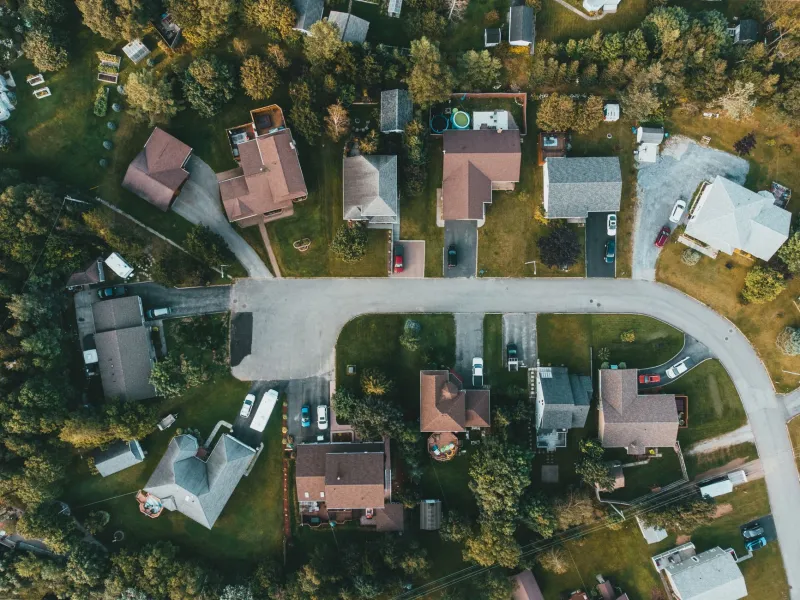
Tamara and Joel Reyes spent two years designing their dream: a 380-square-foot accessory dwelling unit tucked behind Tamara's mother's home in a quiet suburb outside Nashville. The design was thoughtful, the construction quality was high, and they'd done everything right on the permit side. What they hadn't fully prepared for was the neighborhood meeting where a dozen of their future neighbors showed up to argue, loudly, that their home would "bring down property values" and didn't belong in the area.
"It felt like we were being told our way of living was shameful," Tamara says. "Like choosing a smaller home meant we were lesser somehow."
Their story isn't unusual. Across the US, tiny home owners and advocates are bumping up against something that goes deeper than zoning codes or building regulations: a cultural resistance rooted in the idea that bigger homes equal better neighbors, and that anything outside the suburban norm is a threat to be managed rather than a solution to be welcomed.
The NIMBY Problem Has a New Target
NIMBYism — the "Not In My Backyard" impulse to support housing reform in theory while opposing specific projects near your own home — has long been a barrier to affordable housing, mixed-income developments, and homeless shelters. Tiny homes are now firmly on that list.
The resistance takes a few different forms depending on the community. In established suburban neighborhoods, the concern is almost always property values. Homeowners who paid $400,000 or more for their houses tend to view a 300-square-foot structure next door as a data point that will drag down their appraisals — even though the research on this is far murkier than NIMBY arguments suggest.
In rural communities, the pushback is often more aesthetic and cultural. Tiny homes — especially those with modern, minimalist designs or unconventional materials — can read as "outsider" to longtime residents. There's a class dimension to this too: tiny homes built by urban transplants seeking a simpler life can feel like gentrification to communities where small homes have historically been associated with poverty rather than lifestyle choice.
And in upscale planned communities? That's where the HOA enters the picture.
HOA Restrictions: The Fine Print That Blocks Tiny Living
Homeowners associations have become one of the most effective — and least publicly scrutinized — barriers to tiny home adoption in America. About 74 million Americans live in communities governed by HOAs, and a significant portion of those associations have rules that either explicitly prohibit tiny homes or create conditions that make them functionally impossible.
Common HOA restrictions that affect tiny homes include:
- Minimum square footage requirements — Many HOA covenants specify that homes must meet a minimum size, often 1,200 to 2,000 square feet, to maintain "neighborhood character."
- Aesthetic standards — Rules about exterior materials, roof pitches, and architectural style can disqualify most tiny home designs, which tend toward the contemporary or unconventional.
- Accessory dwelling unit bans — Even in states that have passed laws making ADUs easier to build, some HOAs have fought back with their own restrictions.
- Parking and storage rules — THOW owners who park on private property within an HOA zone often find themselves in violation of rules about recreational vehicles.
The legal landscape here is genuinely complicated. Some states have begun passing legislation that limits HOA authority to block ADUs, but enforcement is inconsistent and challenging an HOA in court is expensive and slow.
Where the Hostility Runs Deepest — and Where It's Loosening Up
Geography matters enormously in the tiny home experience. Spend any time in the community and you'll hear the same regional patterns repeated.
The South presents a mixed picture. States like Texas and Tennessee have active tiny home communities and relatively permissive rural land use rules, but suburban and HOA-governed areas in those same states can be intensely resistant. Nashville's explosive growth has created demand for alternative housing, but neighborhood opposition to infill development — including ADUs and tiny home communities — remains fierce in established areas.
The Pacific Northwest has become something of a promised land for tiny home advocates. Oregon passed sweeping ADU reforms in 2019, and cities like Portland and Eugene have worked to create regulatory environments that welcome small-footprint housing. Washington state has followed with similar legislation. The cultural attitudes in these regions tend to be more aligned with minimalist and eco-conscious values, which helps.
The Mountain West — Colorado, Montana, Idaho — attracts tiny home enthusiasts because of its wide open spaces, but rural counties in these states vary wildly in their approach. Some are welcoming; others have enacted ordinances that specifically target tiny home communities after high-profile disputes.
New England is complicated by old housing stock, dense neighborhoods, and town-meeting governance structures that give engaged (and often resistant) residents significant power over local land use decisions.
The Emotional Weight of Being Unwelcome
What doesn't show up in zoning debates and HOA meeting minutes is the psychological toll of living somewhere that treats your home as a problem to be solved.
Research on housing stigma — the social judgment attached to where and how people live — consistently shows that feeling unwelcome in your own neighborhood has measurable effects on wellbeing. For tiny home owners who've already made a countercultural choice, the added weight of community disapproval can be genuinely exhausting.
"You start to internalize it," says Marcus Webb, who lives in a converted shipping container home in rural Georgia and has dealt with years of skeptical neighbors and local code complaints. "You know your home is well-built and you love your life, but when enough people treat you like you're doing something wrong, it gets in your head."
This is one reason tiny home communities — intentional neighborhoods where multiple small homes share land and sometimes resources — have become so popular. There's real value in being surrounded by people who get it.
Building the Case for Acceptance
Advocates aren't sitting still. Organizations like the American Tiny House Association have been working state by state to reform the regulations that create barriers, while also working on the cultural piece — helping municipalities understand that tiny homes can be part of a solution to housing affordability rather than a threat to neighborhood stability.
Some of the most effective arguments focus on density done well: tiny home communities that are thoughtfully designed, well-maintained, and integrated into existing neighborhoods tend to shift opinions more than any policy argument. Visibility matters. When people can see what a tiny home actually looks like — and meet the humans who live in one — the abstract threat tends to dissolve.
There's also a generational shift underway. Younger Americans are far more likely to view small-footprint living positively, and as that cohort ages into homeownership and local political engagement, the cultural headwinds may ease.
But for now, if you're planning to go tiny, do your community homework as carefully as you do your architectural homework. Know your HOA covenants. Attend local planning meetings. Talk to your neighbors before the project starts, not after. And find your people — because living small is a lot easier when someone nearby understands why you chose it.