Sun-Powered and Still Broke: The Solar Math Tiny Home Owners Keep Getting Wrong
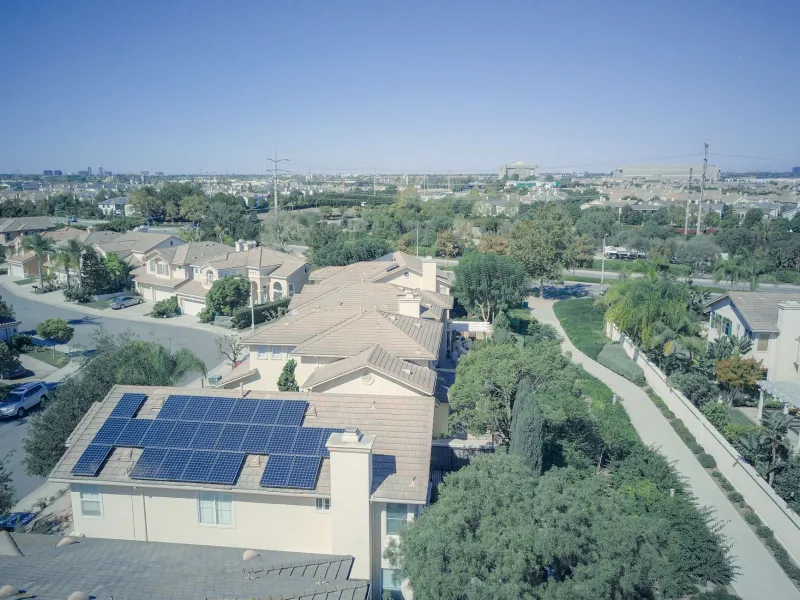
There's a version of tiny home life that looks incredible on paper. You've got your compact, efficient space, your rooftop solar array gleaming in the afternoon sun, and a monthly utility bill that's basically zero. Freedom. Independence. Green living at its finest.
And then there's reality — where thousands of tiny home owners are sitting on solar systems that cost them $15,000 to $30,000 to install and are nowhere close to paying for themselves. Some are still pulling significant power from the grid. Others are dealing with battery banks that underperform in winter. A surprising number quietly admit they'd make a different call if they were starting over.
So what went wrong? And more importantly — how do you avoid falling into the same trap?
The Seductive Logic of Solar (And Why It Breaks Down)
The pitch for solar in tiny homes is genuinely compelling. Smaller square footage means lower energy needs. Lower energy needs mean a smaller system. A smaller system means lower cost. It sounds like solar was practically invented for the tiny home lifestyle.
The problem is that "lower energy needs" is doing a lot of heavy lifting in that equation, and most people don't actually know what their energy needs are until they've already lived in the home for a year.
Appliance choices matter enormously. A mini-split HVAC system, an electric water heater, and an induction cooktop can easily push a tiny home's consumption well above what a modest solar array can handle. Add a work-from-home setup with multiple monitors and you're looking at power demands that rival a small apartment.
Then there's the seasonality problem. Solar production in December in Vermont looks nothing like solar production in July in Arizona. A system sized for your summer lifestyle can leave you genuinely energy-poor in winter — right when you need heating most.
The Oversizing Trap (Yes, It Goes Both Ways)
Here's something installers don't always lead with: oversizing your solar system is a real and expensive mistake.
Many tiny home buyers, anxious about running out of power, spec out systems that are dramatically larger than their actual usage. They end up with excess production capacity that simply goes to waste — or, if they're grid-tied, gets sold back to the utility at wholesale rates that rarely pencil out to meaningful savings.
A 5kW system on a tiny home that only needs 1.5kW of daily average draw isn't smart planning. It's expensive over-engineering. You've paid for panels you're not using, and the ROI timeline stretches from "long" to "basically never."
Undersizing is the more common error, though. Buyers get excited about a low system cost, skimp on panels, and then discover that three cloudy days in a row drain their batteries and leave them scrambling for alternatives. Neither extreme serves you well.
Battery Storage: The Cost Nobody Fully Factors In
If you're going off-grid or even just aiming for significant grid independence, battery storage isn't optional — it's the whole game. And batteries are expensive.
A quality lithium iron phosphate (LiFePO4) battery bank capable of storing enough energy to get a tiny home through two or three low-production days can easily run $8,000 to $15,000 on its own, before installation. And batteries degrade. Even the best systems lose capacity over time, typically needing replacement or significant capacity additions within 10 to 15 years.
When you fold battery replacement costs into your total system economics, the break-even point on solar can shift by years. Plenty of tiny home owners run the numbers honestly and discover their "free energy" is actually costing them more per kilowatt-hour than grid power would have.
How to Actually Calculate Your Solar ROI
This is where most people skip steps, so let's be specific.
Step 1: Know your real consumption. Live in your tiny home for at least 90 days across different seasons before sizing a system. Use a kill-a-watt meter or smart plug data to track actual appliance usage. Don't guess.
Step 2: Get your local solar production data. The National Renewable Energy Laboratory's PVWatts calculator (pvwatts.nrel.gov) lets you input your location and system size to estimate real-world production. Use it.
Step 3: Calculate total system cost honestly. Include panels, inverter, charge controller, battery bank, installation labor, permits, and a contingency for the unexpected mounting challenges that tiny home rooflines often create. Add 15%.
Step 4: Factor in incentives. The federal solar Investment Tax Credit (ITC) currently offers a 30% credit on installation costs. Many states have additional incentives. These genuinely move the math — but only if you have enough tax liability to use them.
Step 5: Divide and be honest. Total net cost divided by annual utility savings equals your payback period. If it's 18 years and you're not sure you'll be in the home for 18 years, that's important information.
When Solar Actually Makes Sense for Tiny Homes
None of this means solar is a bad idea. It means solar is a financial decision that deserves the same rigor as any other major investment.
Solar genuinely shines (sorry) in a few specific scenarios. If you're placing your tiny home on rural land with no utility hookup and the cost of running a power line is prohibitive — sometimes $10,000 to $50,000 per mile — solar plus storage becomes cost-competitive fast. If you're in a high-sun state like New Mexico, Nevada, or Texas and your energy needs are modest, the payback timeline compresses meaningfully. And if you're planning to stay put for 15-plus years, the long-term math gets friendlier.
The sweet spot tends to be right-sized systems on well-insulated, intentionally efficient tiny homes with propane or wood backup for heating. That combination — modest solar array, small battery bank, and a non-electric primary heat source — is where the economics most reliably work.
The Bottom Line
Solar isn't a lifestyle accessory. It's an energy infrastructure investment, and it deserves to be evaluated like one. The tiny home community's enthusiasm for off-grid independence is admirable — but enthusiasm doesn't pay for battery replacements.
Get the data first. Run real numbers. Talk to installers who work specifically with tiny homes and understand the unique challenges of smaller roof footprints, non-standard mounting situations, and variable usage patterns. And if the math doesn't work for your situation right now, that's a legitimate answer.
The goal is building a life that's financially sustainable, not just aesthetically aligned with your values. Sometimes that means waiting on solar until the numbers actually make sense.