So You Want to Be a Tiny Home Landlord? Here's Why That Plan Usually Falls Apart
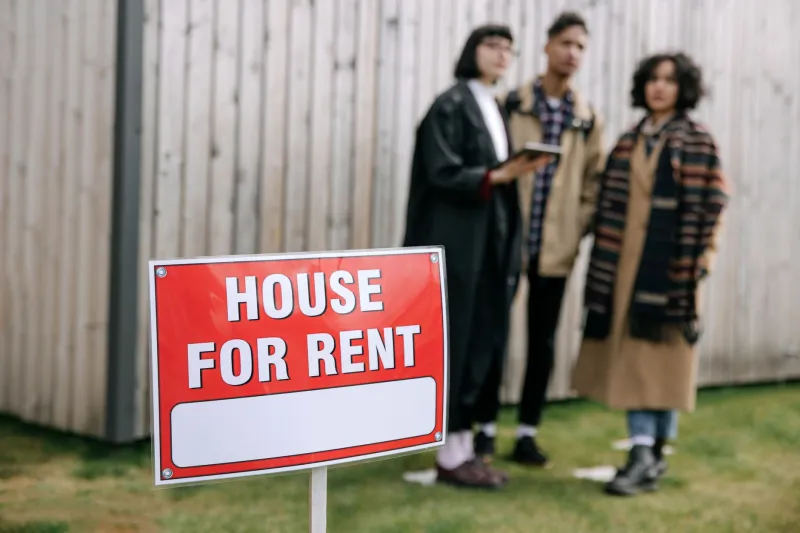
The fantasy is pretty compelling. You've paid off your tiny home—or you're close—and you figure: why not rent it out for a few months, cover the lot fees, maybe pocket a little extra? Plenty of tiny home owners have had the same thought. Fewer have talked openly about what happened next.
Spoiler: it usually doesn't go the way they planned.
The Insurance Wall Nobody Warned You About
Here's the thing about tiny homes and insurance: the industry still hasn't caught up. Most tiny homes on wheels are insured under specialized RV or manufactured home policies that come loaded with exclusions. One of the biggest? Commercial rental use.
Take Marcy, a tiny home owner in western Colorado who decided to rent her 240-square-foot THOW (tiny home on wheels) through a short-term rental platform while she traveled for work. She'd had the same insurer for three years without a problem. The moment she disclosed the rental activity—after a guest reported a minor slip-and-fall on her porch steps—her claim was denied and her policy was canceled within 30 days.
"They told me my coverage was for personal residential use only," she says. "The second money changes hands with a tenant, I'm operating a business. And they don't insure that."
This isn't a rare edge case. Standard homeowner's policies—even those written specifically for tiny homes—almost universally exclude short-term rental income activity. Commercial landlord policies exist, but insurers are reluctant to write them for structures under 400 square feet, especially if the home sits on wheels or a non-permanent foundation. When you can find coverage, the premiums can eat a significant chunk of your projected rental income before you've even listed the place.
Zoning Boards Don't Care About Your Side Hustle
Beyond insurance, there's the regulatory maze. Zoning laws around tiny homes are already complicated enough when you're just trying to live in one. Add rental activity, and you've introduced an entirely new layer of scrutiny.
In many jurisdictions, renting out a dwelling unit—even a tiny one—triggers requirements for landlord licensing, rental inspections, and in some cases, formal commercial zoning approval. If your tiny home sits in a residentially zoned area that only permits owner-occupied single-family dwellings, you may be in violation the moment you take a tenant's deposit.
Jordan, a tiny home owner in central Tennessee, found this out after renting his property to a long-term tenant for eight months. A neighbor complaint triggered a zoning inquiry. The county determined his parcel wasn't approved for rental occupancy under its current zoning designation. He had to terminate the lease, pay a fine, and reapply for a conditional use permit—a process that took seven months and cost him more than the rental income he'd collected.
"I thought I was being smart about money," Jordan says. "I ended up spending more fixing the legal mess than I made renting it out."
Tenant Screening in a Tiny Home Is a Different Beast
Even if you clear the insurance and zoning hurdles, there's a practical reality that traditional landlord guides don't address: tiny homes are fragile in ways that larger rentals simply aren't.
Every system in a tiny home is compact and interdependent. A tenant who doesn't understand how to manage the composting toilet, who overloads the electrical system, or who lets condensation build up without running the ventilation fan can cause damage that costs thousands to repair in a home that might only be worth $60,000 to $80,000 total.
Standard tenant screening processes—credit checks, rental history verification—don't filter for "understands how to live in 200 square feet without destroying it." You're not just screening for someone who pays rent on time. You're screening for someone who can operate what is essentially a complex, custom-built machine.
Short-term rental guests are often even riskier. Vacation renters aren't invested in the property's longevity. They're there for a weekend. They're not going to baby your composting system or remember to crack a window to prevent moisture buildup.
The Math Rarely Works Like You Think
Let's talk numbers, because this is a finance conversation at its core.
If you're renting a tiny home in a desirable market—rural retreat, near a national park, on a scenic piece of land—you might realistically charge $100 to $175 per night on a short-term platform. That sounds great until you subtract:
- Platform fees (typically 3–5% for hosts, plus guest fees that can reduce your competitiveness)
- Cleaning fees and turnover costs between guests
- Specialty insurance, if you can even get it
- Maintenance and wear-and-tear repairs, which are higher per square foot in tiny homes
- Lot or land lease fees that don't pause when you have vacancies
- Any permit or licensing fees your jurisdiction requires
Many tiny home owners who've run the actual numbers report net margins of 20–35% on gross rental income—before accounting for the time they spend managing the property. That's not nothing, but it's a long way from passive income.
If You're Still Set on It, Do These Things First
We're not here to tell you it's impossible. Some tiny home owners do make rental income work. But the ones who succeed tend to do a few things differently.
Talk to your insurer before you list. Not after. Get it in writing whether your current policy covers any rental activity, and if not, get quotes for commercial coverage before you assume it's affordable.
Call your county zoning office. Ask directly: "If I rent my property at [your address] to a tenant, what permits or approvals do I need?" Document the answer.
Consult a landlord-tenant attorney in your state. Tiny home rentals exist in a legal gray zone in many states. Knowing your exposure before you sign a lease agreement is worth the consultation fee.
Build a detailed tenant orientation. If you do rent, create a written guide to every system in your home. Make it part of the lease agreement that tenants must acknowledge reading it.
The tiny home dream is real. The landlord fantasy attached to it is where things tend to go sideways. Know what you're actually getting into—and price that knowledge into your plan before you hand over the keys.